

Online casino licensing forms the foundation of a secure and transparent digital gambling environment. Without a legitimate licence, a casino functions without oversight, and the dangers to players increase dramatically. In the United Kingdom, the regulatory framework is among the toughest in the world, guaranteeing that every licensed operator upholds exacting standards of player protection, fairness, and responsible conduct. Nomini Casino, for example, holds a licence from the UK Gambling Commission, a definite signal that the platform meets rigorous requirements. Understanding how licensing works, why it matters, and how it links to affiliate programmes provides a solid foundation for anyone participating in the online casino industry. This introduction examines the core principles, the key regulatory bodies, and the practical steps to check a licence.
Major Regulatory Bodies Around the World
The worldwide landscape of online casino licensing is shaped by several reputable authorities, each with its own regulatory area, regulatory philosophy, and reputation. While some governments run their own licensing regimes, the industry has also witnessed the rise of specialist jurisdictions that have become centers for online gambling. These bodies establish the rules that operators must comply with, and their logos are often displayed on casino websites as a sign of trustworthiness. For UK players, the most important authority is the Gambling Commission, but understanding the role of other regulators, such as the Malta Gaming Authority and the Gibraltar Regulatory Authority, offers a more comprehensive picture of how the industry is regulated across different regions.
Britain’s Gambling Regulator
The UK Gambling Commission is widely regarded as one of the most stringent and effective gambling regulators in the world. Established under the Gambling Act 2005, it regulates all kinds of gambling in Great Britain, from land-based betting shops to the biggest online casinos. Its scope includes issuing licences, guaranteeing compliance with the licence conditions and codes of practice, and initiating enforcement action against operators who fail to meet their obligations. The Commission is also responsible for the National Strategy to Reduce Gambling Harms and has the authority to levy substantial fines. For a brand like Nomini Casino to accept UK players, it must hold a valid licence from this organization, a requirement that directly signals a high level of reliability and player protection.
Additional Prominent Licensing Authorities
Outside the United Kingdom, a number of other jurisdictions have developed strong reputations for overseeing online gambling. The Malta Gaming Authority (MGA) is among the most recognised, providing a thorough regulatory framework that encompasses casino games, sports betting, and poker. The Gibraltar Regulatory Authority and the Alderney Gambling Control Commission are additionally highly respected, particularly among operators aiming at the European market. Licences from Curacao are common in the industry, but they typically offer a lighter regulatory touch and are not sufficient for operators seeking to legally serve the UK market. Each jurisdiction has its particular strengths, and knowledgeable players and affiliates often go beyond the licence logo to understand the exact protections that each authority provides.
- Malta Gaming Authority (MGA) – A established European regulator known for its detailed compliance framework and player protection measures.
- Gibraltar Regulatory Authority – A veteran licensing body with a solid focus on the fairness of operations and financial probity.
- Alderney Gambling Control Commission – Admired for its demanding technical standards and independent testing requirements.
- Curacao eGaming – A preferred jurisdiction for start-ups due to more affordable costs, though it delivers more limited specific player protections relative to tier-one regulators.
Why Licensing Counts in the Modern Age
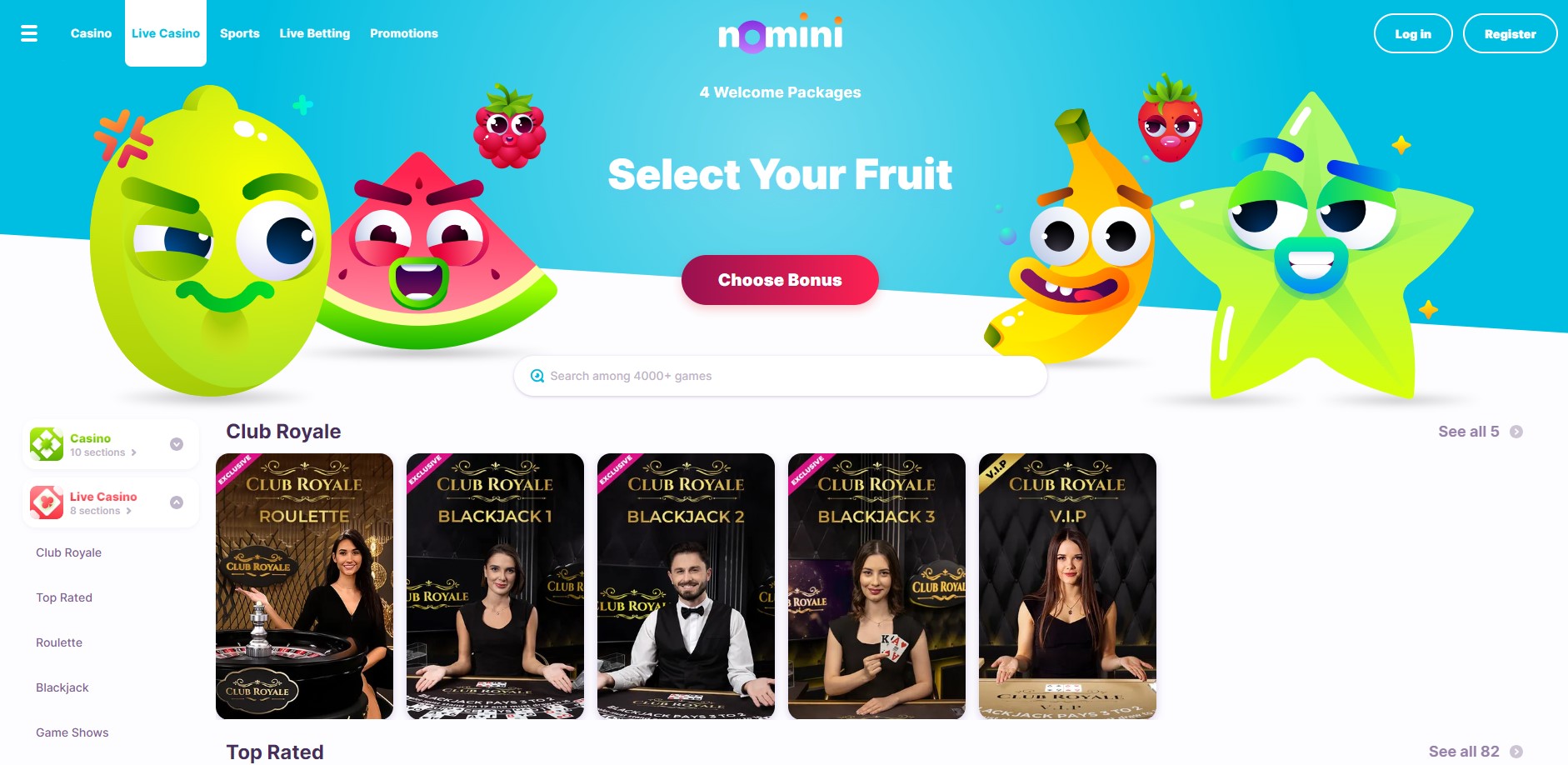
The digital nature of online gambling brings particular challenges that a physical casino does not encounter. Players cannot observe the gaming equipment or meet the staff, so trust must be established through external verification. A licence from a reputable authority serves as a stamp of approval, ensuring that the operator has passed thorough background checks, holds segregated player funds, and uses independently tested software. Without this oversight, a player would have no assurance that the games are fair or that their personal data is secure. Licensing changes an anonymous online transaction into a regulated relationship, providing consumers confidence that they are protected by law and that the operator is accountable to a higher authority.
Safeguarding Players and Fairness
A core function of any casino licence is to provide that the games are fair and random. Regulatory bodies mandate operators to use Random Number Generator (RNG) systems that have been approved by accredited testing laboratories. These audits ensure that every spin of a slot reel or deal of a card is unbiased. learn how Beyond the technical integrity of the games, licensing also mandates that the terms and conditions are transparent, bonus policies are transparent, and withdrawal procedures are reasonable. Players are given a formal complaints process, and if a dispute cannot be resolved directly with the casino, the regulator can step in as an impartial adjudicator. This comprehensive protection creates a safety net that unlicensed casinos are unable to provide.
- Approved Random Number Generators tested by independent labs
- Clear and understandable bonus terms and wagering requirements
- Access to an independent dispute resolution service
- Regular audits of game payouts and return-to-player percentages
- Strict rules against misleading advertising and unfair contract terms
Responsible Gambling and Financial Security
Regulation also places a heavy emphasis on responsible gambling and the protection of susceptible players. In the UK, the Gambling Commission mandates all operators to offer a complete suite of player protection tools, encompassing deposit limits, reality checks, time-outs, and self-exclusion options. The operator must also maintain clear policies for recognizing and interacting with players who display signs of harm. Financial security is an additional non-negotiable pillar. Licensed casinos must hold player funds in separate accounts, guaranteeing that customer balances are safeguarded even if the company experiences financial difficulties. Strict anti-money laundering checks and Know Your Customer procedures are required, creating the entire ecosystem more secure for every participant and helping to prevent criminal activity.
The process of Online Casino Licensing Operates
Obtaining and keeping an online gambling permit is a complicated, multi-stage procedure that necessitates substantial investment and continuous dedication. The company must file a thorough request covering every element of the operation, from company structure and the background of key employees to the technological infrastructure of the system. The authority then carries out a exhaustive examination, a phase that often requires several months, to determine whether the petitioner is qualified to possess a license. This is not a one-time event. Once the licence is issued, the licensee begins a continuous cycle of compliance, submissions, and verification. The dynamic between the operator and the regulatory body is fluid, with the regulator possessing the authority to levy penalties, revoke the license, or revoke it entirely if requirements decline.
The Submission and Audit Procedure
The original submission demands the casino to establish its financial stability, the reliability of its software, and the strength of its internal controls. All directors and key executives must pass personal probity checks, and the business must show that it has adequate policies for anti-money laundering, responsible gambling, and data protection. The gaming software is submitted rigorous testing by an approved laboratory, which verifies the RNG and the theoretical return to player of each game. Only when every requirement is met will the regulator issue the licence. The cost of this process, both in time and money, creates a significant barrier to entry that helps weed out operators who are not committed about maintaining a compliant and ethical business.
Ongoing Compliance and Reporting
Once approved, the casino is not left to its own devices. Regular reporting is required, covering financial transactions, player complaints, and any changes to the management team or the technical platform. Regulators also conduct periodic audits and can request ad-hoc inspections at any time. The operator must promptly notify the regulator of any significant event, such as a data breach or a system failure. Failure to meet these ongoing obligations can result in severe financial penalties, formal warnings, or suspension of the licence. This continuous oversight guarantees that the high standards demanded at the application stage are preserved throughout the life of the business, providing enduring protection for players and preserving the integrity of the market.
The importance of authorisation in affiliate programs
Affiliate marketing is a crucial channel for digital casinos, and licensing holds a key role in how these collaborations are structured and handled. A trustworthy affiliate programme will only endorse regulated companies because the affiliate’s own standing hinges on the security and fairness of the names they endorse. Regulation delivers a clear system for responsible advertising, guaranteeing that marketers do not create misleading assertions or target susceptible individuals. The legal relationship between the affiliate and the casino is also affected by the regulatory context, as the provider must ensure that all external advertising activities remain adherent. The affiliate programme run by Nomini Casino, for illustration, is built on this regulated base, guaranteeing that all advertising materials meet the mandated standards.
Compliance for Partners
Marketers who market online casinos in the UK must comply with strict advertising regulations implemented by both the Gambling Commission and the Advertising Standards Authority. All promotional content must be accurate, must not appeal to children, and must include clear responsible gambling messaging. The affiliate cannot present gambling as a solution to financial problems or imply that it can enhance personal qualities. Licensed operators are required to monitor their affiliates’ activities and can be held responsible for any breaches. This means that legitimate affiliate programmes impose their own compliance checks, often supplying pre-approved marketing materials and expecting affiliates to display licence information and links to terms and conditions. This collaborative approach keeps the entire promotional ecosystem within the bounds of the law.
Benefits of Advertising Licensed Brands
For affiliates, choosing to work exclusively with licensed casinos offers tangible benefits that go far beyond legal compliance. Players are more likely to trust and convert on a site that shows a recognized licence seal, contributing to higher retention rates and a more sustainable revenue stream. Licensed operators are inclined to have more stable, long-term business models, which minimizes the risk of a programme shutting down unexpectedly. The transparent reporting systems and fair payment terms required by licence conditions give affiliates greater confidence in the tracking and payment of their commissions. Promoting a brand such as Nomini Casino, which operates under a UK Gambling Commission licence, delivers a clear message to the audience that the affiliate prioritizes safety, fairness, and a responsible approach to gambling.
How to Check a Casino’s License
Knowing that a licence is important is only half the story. Any player and affiliate should also understand how to confirm that a licence is genuine and current. Unlicensed operators sometimes present fake licence logos or claim to be licensed by non-existent regulators. A quick visual look is not sufficient because a logo can be copied quickly. The verification method is straightforward once you understand what to seek, and it takes only a few minutes. By following a simple set of measures, you can establish whether the casino is truly licensed and whether the licence is in good order. This due diligence is a practice that safeguards both your funds and your personal information.
Key Signs of a Genuine Licence
The first move is to find the licence data on the casino’s website https://nomini-casino.co.uk/legal-and-affiliates/. A legitimate operator will display the licence number and the regulator’s logo, commonly in the base of every screen. This data should be clickable and link directly to the official database. The details on the register must align precisely: the trading name, the domain name, and the licence state must all match with what the casino is showing. Any difference, such as a different domain URL or an expired licence, is a red flag. The following order provides a reliable way for confirmation.
- Navigate to the bottom of the casino’s homepage and locate the licence seal or licence number.
- Select on the seal or the hyperlinked licence number; it should load a page on the regulator’s official website.
- Verify that the domain name listed on the official register is precisely the same as the one you are visiting.
- Confirm that the licence status is “active” and that the operator’s name aligns with the brand name.
- If the link does not point to the regulator’s official domain, independently search the register using the licence number provided.
Using the Official Registers
Every major licensing authority operates a public register that anyone can search free of charge. The UK Gambling Commission’s register, for example, enables you to look up an operator by name, licence number, or domain name. The results will show the types of gambling activities authorised, any sanctions or suspensions, and the geographical scope of the licence. coingecko.com The Malta Gaming Authority and the Gibraltar Regulatory Authority provide similar search tools. Take a moment to explore these registers, as they are the ultimate source of truth. A casino that makes it difficult to find this information, or that provides a broken link, should be treated with extreme caution, regardless of how professional the website may appear.